
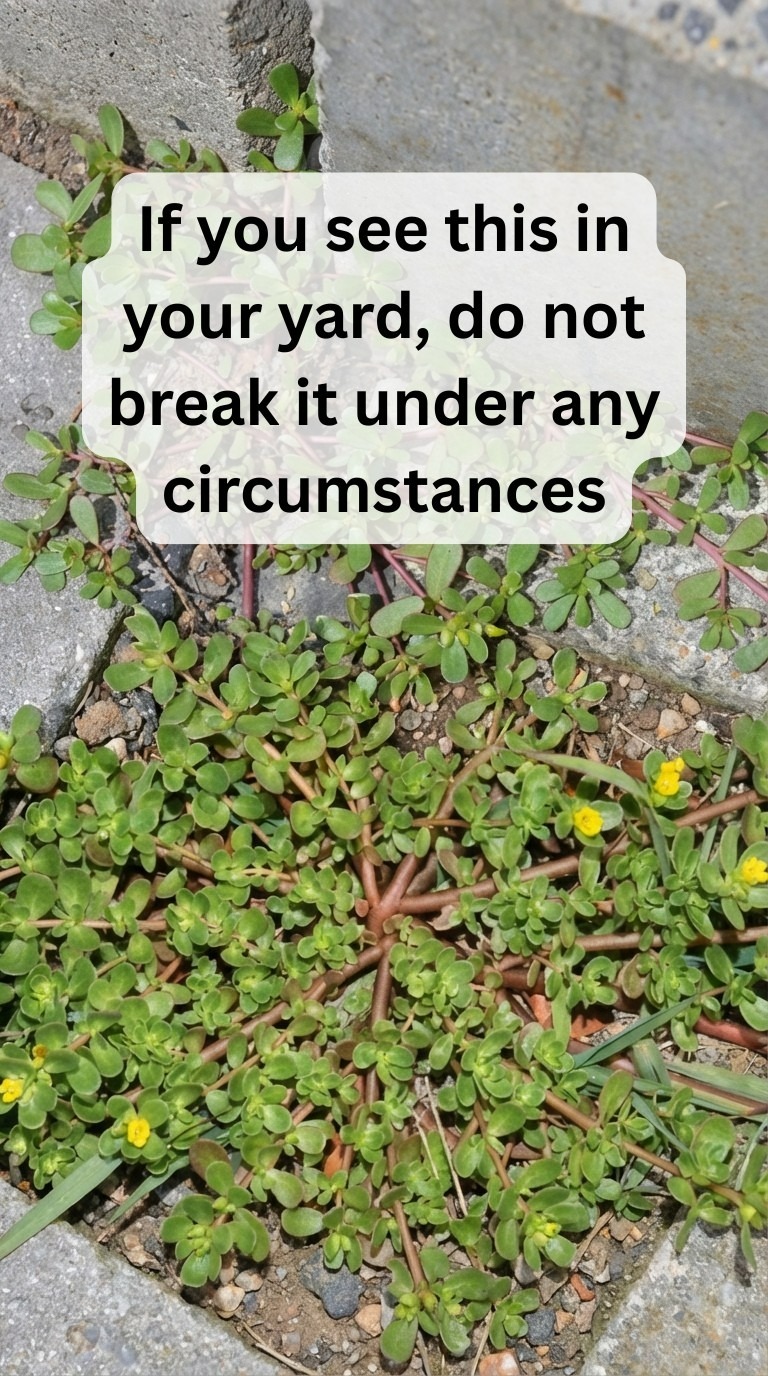
Reason 3: More Vitamin A Than Carrots
The fact: Purslane is exceptionally rich in beta-carotene, which your body converts to vitamin A. In fact, it contains more vitamin A than many common vegetables, including carrots.
Why it matters: Vitamin A supports:
Eye health and vision
Immune function
Skin health
Cell growth
Reason 4: Rich in Essential Minerals
Purslane is a mineral powerhouse:
Magnesium – Muscle relaxation, sleep, blood pressure regulation
Potassium – Heart health, fluid balance
Calcium – Bone health
Iron – Oxygen transport
Manganese – Bone health, metabolism
Compared to spinach: Purslane contains more iron and magnesium than the cultivated green.
Reason 5: Contains Betalains (Powerful Antioxidants)
Purslane contains betalains—the same class of pigments that give beets their deep red color. These compounds are:
Potent antioxidants
Anti-inflammatory
Potentially protective against certain cancers
The reddish stems of purslane are particularly rich in these compounds.
Reason 6: High in Melatonin for Better Sleep
The fact: Purslane is one of the few plant sources of melatonin, the hormone that regulates sleep-wake cycles.
Why it matters: Eating purslane may help:
Improve sleep quality
Support circadian rhythms
Fight oxidative stress during sleep
Reason 7: Supports Heart Health
The combination of nutrients in purslane makes it exceptionally heart-friendly:
Omega-3s – Reduce inflammation and support healthy cholesterol
Potassium – Helps regulate blood pressure
Magnesium – Supports blood vessel function
Antioxidants – Protect arteries from damage
Traditional use: In Greek medicine, purslane has long been used to support heart health.
Reason 8: It’s Free and Grows Like Crazy
This might be the best reason of all: purslane costs nothing and grows abundantly.
It thrives in poor soil
It needs little water
It spreads easily
You can harvest it all season
It grows back after cutting
What other superfood can you harvest for free from your own garden?
How to Eat Purslane
Purslane has a mild, slightly tangy, lemony flavor with a hint of pepper. The leaves and stems are both edible. The stems are slightly crunchier; the leaves are tender.
Raw:
Toss into salads for a succulent, crunchy texture
Add to sandwiches or wraps
Blend into smoothies
Use as a garnish
Cooked:
Sauté with garlic and olive oil (like spinach)
Add to soups and stews at the end of cooking
Stir into omelets or frittatas
Mix into pasta dishes
Add to curries
Pickled:
Purslane stems can be pickled like cucumbers for a tangy treat.
Dried:
Dried purslane can be crumbled and used as a seasoning or added to soups.
Simple Purslane Recipe
Purslane and Tomato Salad
Ingredients:
2 cups fresh purslane leaves and tender stems
1 cup cherry tomatoes, halved
¼ red onion, thinly sliced
¼ cup crumbled feta
2 tablespoons olive oil
1 tablespoon lemon juice
Salt and pepper to taste
Instructions:
For Complete Cooking STEPS Please Head On Over To Next Page Or Open button (>) and don’t forget to SHARE with your Facebook friends
ADVERTISEMENT
