
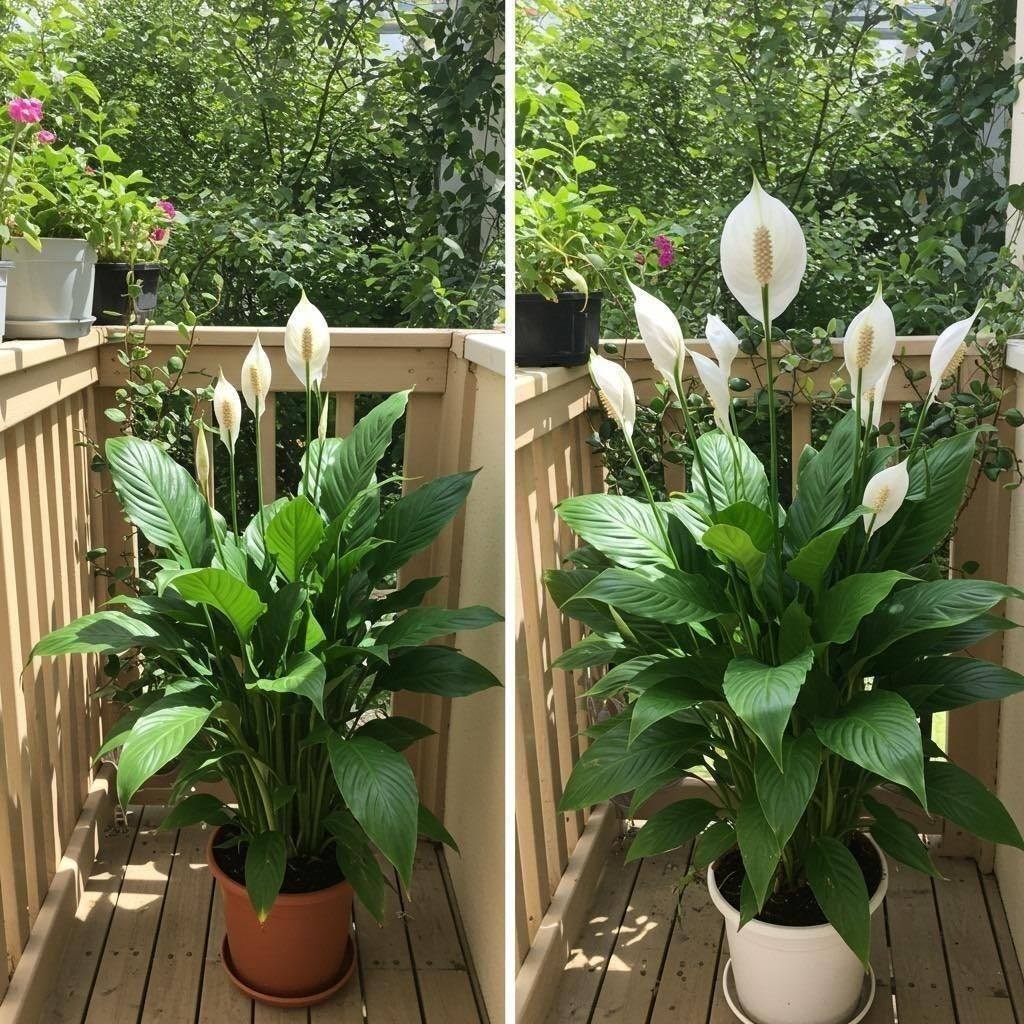
Adding sugar to plant soil is generally not recommended.
Why It’s Harmful
Sugar does not provide useful nutrients for plants. Instead, it can create conditions that encourage pests and fungi.
Potential Problems
Attracts ants and insects
Promotes mold and fungal growth
Disrupts the balance of soil microorganisms
Best Practice
Avoid adding sugar to plant soil. Plants produce their own sugars through photosynthesis.
4. Mild Dish Soap
What Happens
When diluted with water, dish soap can help control common garden pests.
Why It Works
Soap breaks down the protective outer layer of small insects such as aphids and mites, causing them to dehydrate.
Benefits
Helps eliminate pests naturally
Reduces reliance on chemical pesticides
Risks
Too much soap can damage plant leaves and interfere with their ability to absorb sunlight.
Best Practice
Use a very diluted mixture (usually a few drops in a liter of water) and spray directly on pests rather than pouring it into the soil.
5. Milk
What Happens
Milk can help combat certain fungal diseases when diluted with water.
Common Use
Gardeners sometimes use milk spray to fight powdery mildew, a white fungal infection that affects many plants.
Benefits
Natural antifungal properties
Contains calcium and beneficial proteins
Risks
Undiluted milk may spoil, producing unpleasant odors and encouraging bacterial growth.
Best Practice
Mix milk with water before applying to plants.
6. Epsom Salt
What Happens
Epsom salt contains magnesium and sulfur, which are essential nutrients for plant growth.
Potential Benefits
Improves chlorophyll production
Supports stronger plant growth
Can benefit crops like tomatoes and peppers
Possible Problems
Using too much may cause salt buildup in the soil, which can damage roots.
Best Practice
Use Epsom salt occasionally and only in small amounts.
7. Banana Peels
What Happens
read more on next page
ADVERTISEMENT
ADVERTISEMENT
