
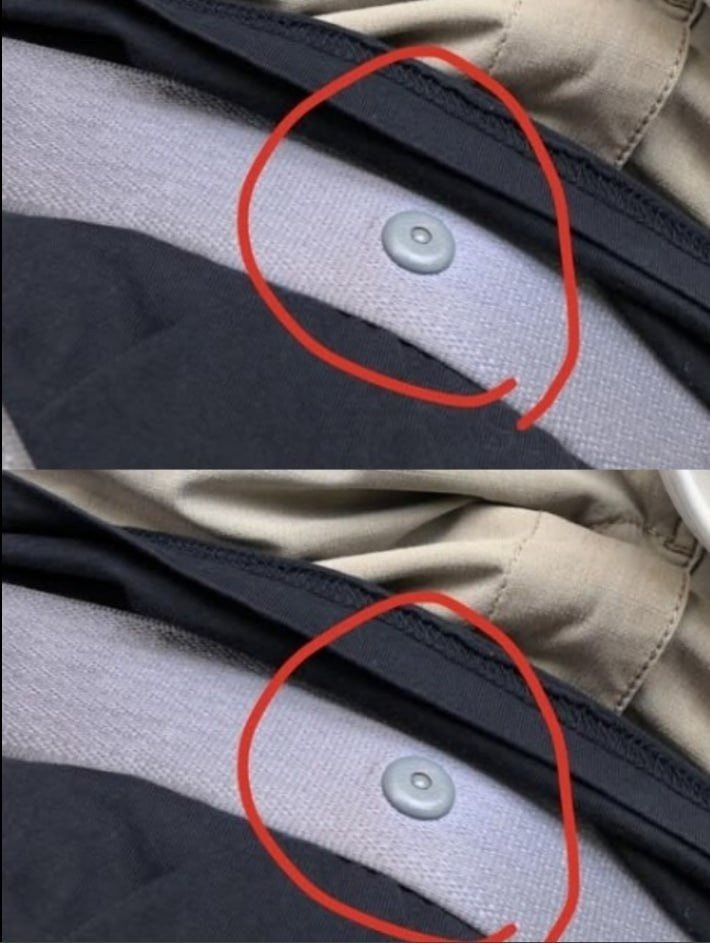
⚠️ Never use lock-off clips for adult seating—they interfere with normal retractor function.
✅ Proper Seat Belt Fit Checklist (For Maximum Protection)
Your belt should:
✅ Lap belt low across hips (not stomach)
✅ Shoulder belt across center of chest and shoulder (not neck or arm)
✅ No twists in the webbing
✅ Snug fit (no more than 1–2 inches of slack)
✅ Buckle clicked firmly into place (listen for audible click)
📏 Test: Place fist between chest and shoulder belt—if it fits easily, belt is too loose.
💬 Why These Myths Spread (And Why They’re Harmful)
Algorithmic amplification: “Secret button” posts get clicks/shares
Misidentification: People confuse height adjusters with “mystery buttons”
Fear-based storytelling: “What if you’re trapped?” narratives go viral despite being statistically rare (<0.5% of crashes involve submersion/fire)
Real harm: People disabling safety features or unbuckling prematurely in crashes
❤️ Compassionate truth: Seat belts are among the most effective safety devices ever invented. Trust their engineering—don’t search for “hacks” that compromise protection.
💡 Final Thought: Your Only Job Is to Buckle Up
That “button” isn’t a secret feature—it’s an adjuster for proper fit. The real magic of seat belts happens invisibly: retractors locking in milliseconds, pretensioners firing with precision, load limiters cushioning force. You don’t need to press anything. You just need to buckle up—every trip, every seat.
Because the most important “button” on your seat belt isn’t on the belt at all.
It’s the one you press when you choose to wear it.
“Seat belts don’t save lives by being complicated. They save lives by being simple—and by being worn.”
Buckle up today. Every trip. No exceptions. Your future self will thank you. 💙🚗
Disclaimer: Always follow your vehicle manufacturer’s instructions for seat belt use. Never disable or modify safety systems. In crash emergencies, follow guidance from the National Highway Traffic Safety Administration (NHTSA) or local emergency services
ADVERTISEMENT
