
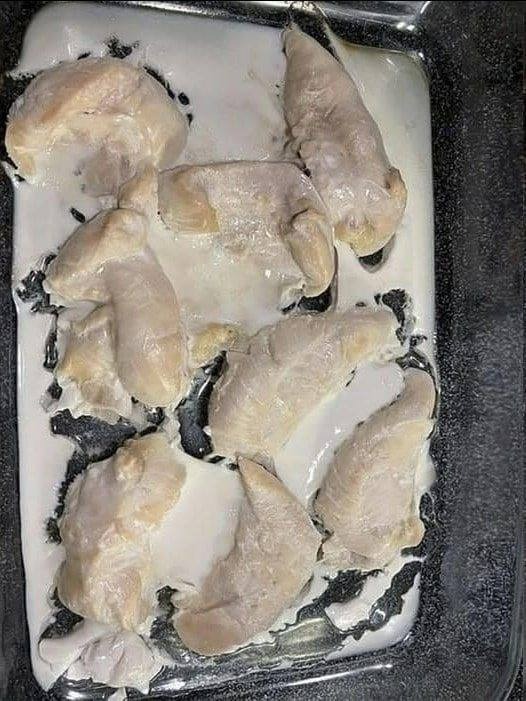
More or Less “Goo”?
Why
High-heat searing/grilling
More visible
Rapid protein contraction forces out juices quickly
Gentle roasting or poaching
Less visible
Slow cooking retains more moisture inside the meat
Overcooking
Much more
Excessive heat = extreme fiber tightening = maximum juice loss
💡 Key insight: The more white goo you see, the more moisture your chicken has lost—which often means it’s overcooked and dry.
❌ What It’s NOT (Debunking Myths)
Myth
Truth
“It’s fat.”
Chicken fat is yellowish and oily—not white and gelatinous.
“It’s pus or infection.”
Pus only forms in live tissue during active infection. Meat from healthy birds doesn’t contain it.
“It means the chicken was injected with hormones or water.”
While some poultry is enhanced with broth, the white goo appears even in 100% natural, unenhanced chicken.
“It’s unsafe to eat.”
It’s perfectly safe—just protein and water!
🍳 How to Minimize the Goo (For Juicier Chicken)
If you’d rather not see it (or want moister meat), try these chef-backed tips:
1. Don’t Overcook
Cook chicken to 165°F (74°C) internal temp—no higher.
Use a meat thermometer (guessing leads to dryness).
2. Brine or Dry-Brine First
Salt helps muscle fibers retain moisture during cooking.
Try: 1 tbsp salt per pound of chicken, rest 30+ minutes before cooking.
3. Use Gentle Heat
Sear quickly, then finish at lower temps.
Avoid boiling or aggressive simmering.
4. Let It Rest
After cooking, let chicken rest 5–10 minutes.
This lets juices redistribute—so they stay in the meat, not on the plate.
For Complete Cooking STEPS Please Head On Over To Next Page Or Open button (>) and don’t forget to SHARE with your Facebook friends
ADVERTISEMENT
