
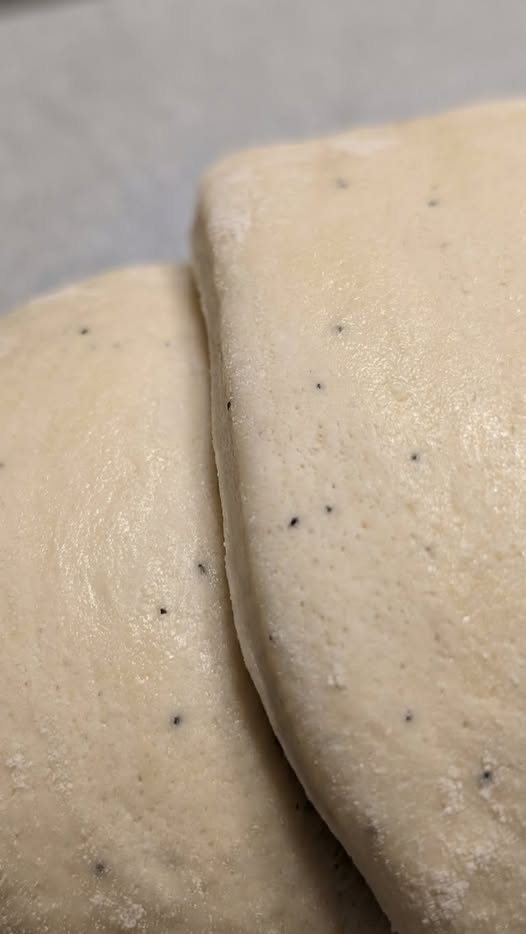
Bake with confidence if:
✓ Specks are flat, dry, and match the dough’s texture
✓ Pastry smells buttery or neutral (no sour/musty notes)
✓ No fuzzy growth, slime, or colorful patches appear
Toss without guilt if:
✗ Specks are fuzzy, raised, or moist
✗ You detect mold in blues, greens, or whites
✗ It smells off—sharp, sour, or musty
✗ Pastry is severely freezer-burned or past its safe storage window
Pro tip: Frozen puff pastry rarely molds—it’s the thawed, room-temperature version that risks spoilage. When in doubt? Your nose knows. Trust it.
🛡️ Prevention Made Simple
Keep pastry tightly sealed in the freezer—never thaw and refreeze
Use fresh, high-quality butter when making from scratch
Wipe baking sheets clean before use—no “ghost” transfers
For ultra-smooth results, choose highly refined flour (but know: you may sacrifice subtle nuttiness for perfection)
Those black specks? They’re usually just flour doing its thing, butter browning with purpose, or time leaving its gentle mark. They’re not a defect—they’re evidence of real ingredients meeting real heat.
So next time you spot them, don’t panic. Pause. Inspect. Sniff. And if all signs point to harmless? Roll, fold, and bake with confidence. Because the best pastries aren’t sterile—they’re alive with the quiet poetry of simple ingredients, transformed by fire.
And if it is mold? Toss it without regret. Joyful baking starts with trust—in your ingredients, your instincts, and the knowledge that tomorrow’s croissants will be speck-free and sublime.
ADVERTISEMENT
