
Age and Farming Method
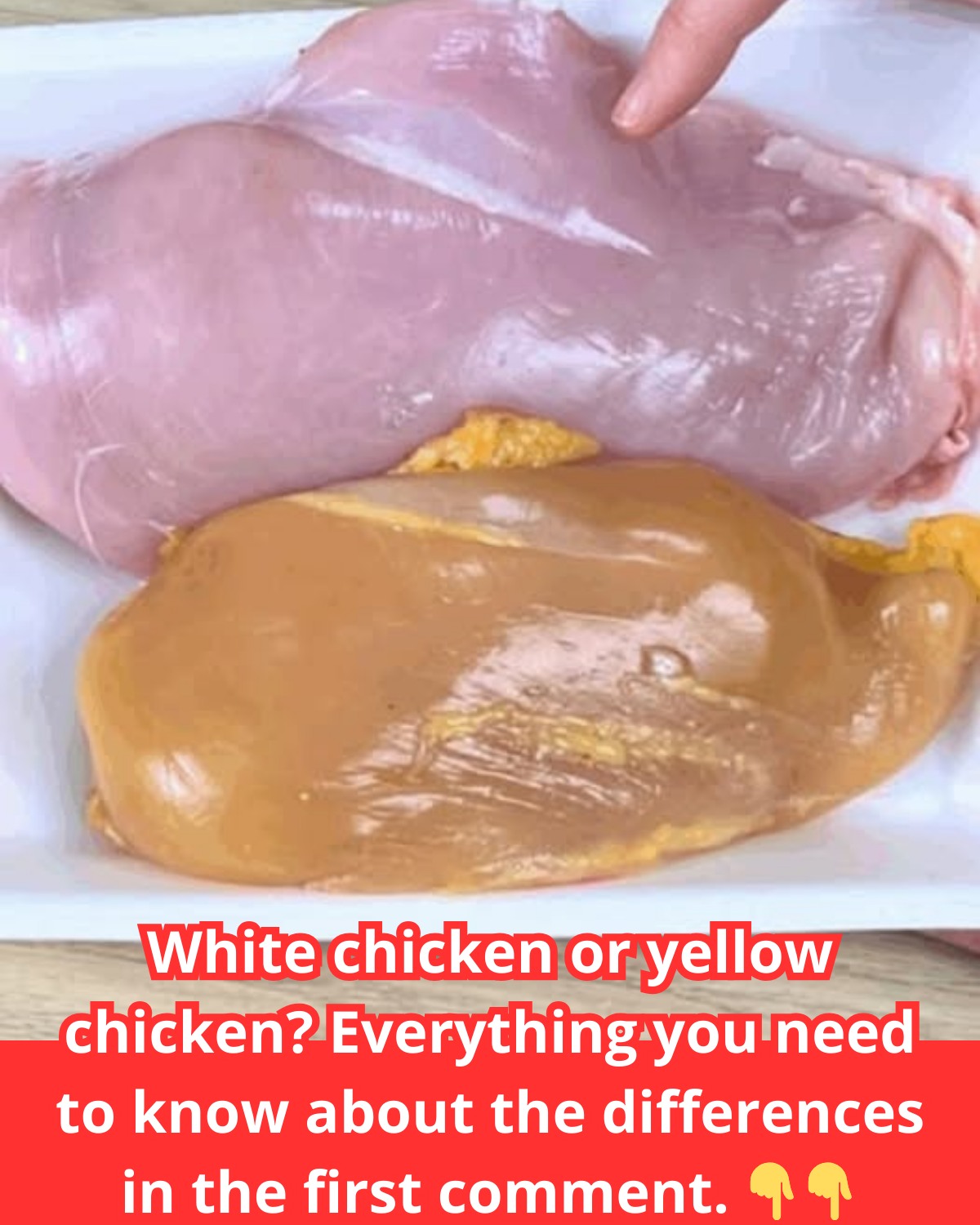
The age of the chicken also plays an important role. Chickens raised in intensive farming systems, often called broilers, are typically slaughtered at a very young age—usually between 40 and 60 days. Because they grow quickly and have limited time to develop natural pigmentation, their meat tends to appear lighter in color.
Yellow chicken, by contrast, is often associated with slower-growing farming systems. In these systems, chickens may be raised for 80 days or more before processing. This longer growth period allows the animals to develop more natural pigmentation, especially if they have access to outdoor areas where they can feed on plants rich in carotenoids.
Genetics Plays a Smaller Role
Genetics can also influence the color of chicken meat. Certain chicken breeds naturally produce slightly darker or lighter meat. However, this factor usually has a smaller impact compared to diet and age. For most consumers, the genetic differences are not easily noticeable, and they rarely play a major role in the final appearance of the chicken sold in stores.
Final Thoughts
The color of chicken—whether white or yellow—is mainly influenced by the chicken’s diet, age, and farming conditions rather than its quality or safety. Instead of focusing only on color, consumers should check labels and choose products that match their preferences for farming methods, nutrition, and sustainability. Understanding these differences can help you make smarter and more confident choices when purchasing chicken.
;
ADVERTISEMENT
