
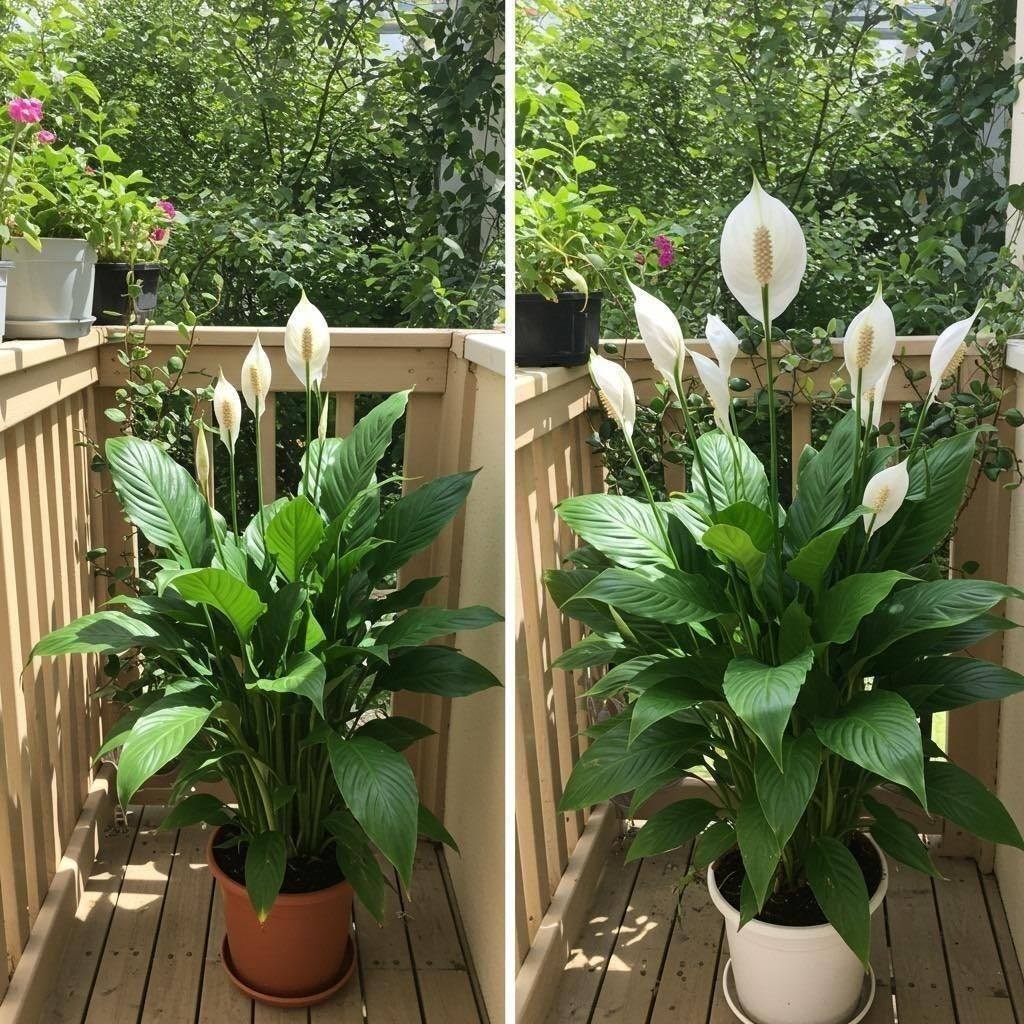
Place a Tablespoon on Any Plant at Home: What to Expect 🌱
Many gardeners love simple home remedies for plant care. One popular idea circulating online is the “tablespoon trick”—adding a tablespoon of a common household ingredient to your plant’s soil or water. Some substances can actually improve soil nutrients and plant growth, while others may cause harm if used incorrectly.
Understanding how different substances affect plants is important before trying any gardening hack. Plants absorb nutrients through their roots and rely on balanced soil conditions to grow properly. Adding the wrong ingredient can disturb that balance, but the right one can help your plants thrive.
Below is a detailed guide explaining what may happen when you place a tablespoon of various household items on your plants.
1. Water
What Happens
A tablespoon of water will not harm your plant, but it also won’t provide meaningful hydration. Most plants require water that reaches the deeper layers of soil where roots are located.
Why It Matters
Roots typically grow several centimeters below the soil surface. A small spoonful of water may only moisten the very top layer of soil, leaving the roots dry.
Best Practice
Instead of using tiny amounts, water plants thoroughly until moisture reaches the root zone. However, avoid overwatering, as too much water can lead to root rot.
2. Coffee Grounds
What Happens
Coffee grounds contain nitrogen, an essential nutrient for plant growth. When used in small amounts, they can improve soil structure and support microbial activity.
Potential Benefits
Adds nitrogen to the soil
Improves soil texture
Encourages beneficial microorganisms
Helps retain moisture
Possible Problems
Using too many coffee grounds can make soil too acidic, which may harm certain plants. Thick layers can also prevent water from reaching roots.
Best Practice
Mix coffee grounds into compost or soil rather than placing them directly on the surface.
3. Sugar
What Happens
read more on next page
ADVERTISEMENT
ADVERTISEMENT
