
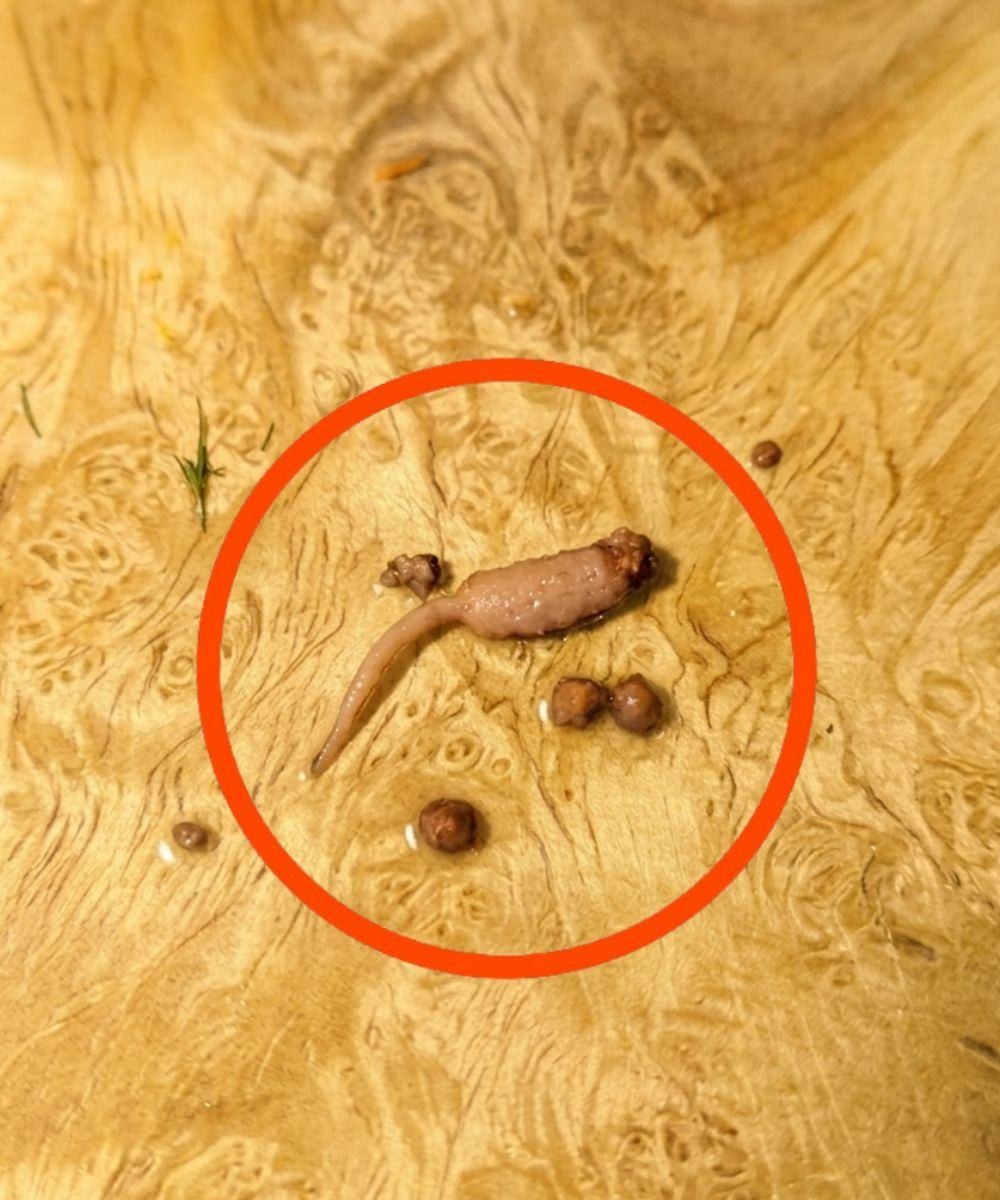
Common Possibilities: What That “Strange Object” Might Actually Be
1. Connective Tissue or Cartilage
What it looks like: Tough, white, rubbery, or translucent bits that don’t break down or brown like muscle meat when cooked.
Why it’s there: During grinding, small pieces of gristle, tendon, or silverskin can occasionally remain—especially in coarsely ground or budget-friendly beef.
Is it safe? Yes. These are natural components of the animal. They’re not harmful, just unpleasant to chew. You can simply remove them before serving.
2. Fat Deposits or Lymph Nodes
What it looks like: Firm, pale yellow or whitish nodules, sometimes pea-sized or slightly larger. Lymph nodes may appear as small, rounded glands.
Why it’s there: If trimming during processing wasn’t exhaustive, small lymph nodes or dense fat pockets can end up in the grind.
Is it safe? Technically, yes—proper cooking eliminates surface bacteria. However, many people find them unappetizing. The USDA permits minimal amounts in ground meat, but reputable brands strive to remove them during quality control.
3. Bone Fragment or Cartilage Chip
What it looks like: Hard, off-white, irregularly shaped piece that feels distinctly different from meat or fat.
Why it’s there: Rarely, tiny bone fragments can remain if deboning wasn’t perfect before grinding.
Is it safe? Small, cooked bone chips aren’t typically dangerous, but they can pose a choking hazard or damage teeth. Remove and discard if found.
4. Foreign Object (Rare but Possible)
What it looks like: Hard, shiny, metallic, plastic-like, glassy, or clearly non-organic material.
Why it’s there: In extremely rare cases, processing equipment wear, packaging residue, or handling errors can introduce foreign materials.
Is it safe? No. If you suspect a non-food object, stop using the product immediately.
You Must Know: When to Be Concerned 🚩
While most unexpected bits in ground beef are harmless natural variations, certain signs warrant attention:
Contact the store where you purchased the meat and/or the USDA Meat and Poultry Hotline (1-888-MPHotline) if:
The object is hard, metallic, plastic, glass-like, or clearly not of animal origin
It has an unusual odor (sour, chemical, rotten) or unnatural color (green, iridescent, neon)
You or anyone else experiences symptoms after eating (nausea, fever, stomach cramps, vomiting)
You find multiple unusual items in the same package
When in doubt, throw it out: If you’re uncertain about an object’s origin or safety, discarding the batch is always the cautious choice. Your health is worth far more than the cost of replacement.
Serving Suggestions: What You Can Do Right Now
Pause and assess: Don’t eat any more of the meat until you’ve identified the object or confirmed safety.
Inspect the rest of the batch: Spread the remaining beef on a clean plate under good lighting. Look for similar bits. If you find more, consider discarding the entire package.
Document if needed: Take a clear photo of the object and the packaging (including lot number and expiration date) in case you need to report it.
Report responsibly:
• Contact the store where you bought the meat—they may offer a refund, replacement, or initiate an internal review.
• For serious concerns, reach out to the USDA Meat and Poultry Hotline: 1-888-674-6854 (1-888-MPHotline) or visit ask.usda.gov.
Trust your instincts: If something feels off—even if you can’t pinpoint why—it’s okay to err on the side of caution.
Frequently Asked Questions
Q: Is it normal to find white bits in ground beef?
A: Yes. Small pieces of fat, connective tissue, or cartilage are common and harmless. They may appear white, pale yellow, or translucent and feel rubbery or firm.
For Complete Cooking STEPS Please Head On Over To Next Page Or Open button (>) and don’t forget to SHARE with your Facebook friends
ADVERTISEMENT
